Comienzo con este post una serie de ensayos de personas cuyas obras no han alcanzado una popularidad relevante y sin embargo, plantean cuestiones que considero interesantes.
Este breve ensayo ha sido creado por mi amigo Frank J. Gotrick, filósofo amateur y carpintero de oficio, una gran persona.
Burial or Cremation
Cremation of corpses as opposed to burying them has deep implications that stretch far beyond ethical considerations. When a body is cremated, it undergoes a process where extreme heat reduces it to ashes and bone fragments. This process of cremation has an irreversible impact on cellular structures, DNA, and all organic matter, preventing the possibility of natural decomposition and reuse by the ecosystem.
The body comprises trillions of cells, each possessing a complex and unique structure. Through natural decomposition, these cells break down, eventually returning to the earth, where organisms such as fungi and bacteria facilitate the recycling process. In contrast, cremation halts this natural recycling by burning the body to eliminate organic material, preventing its reintegration into the environment.
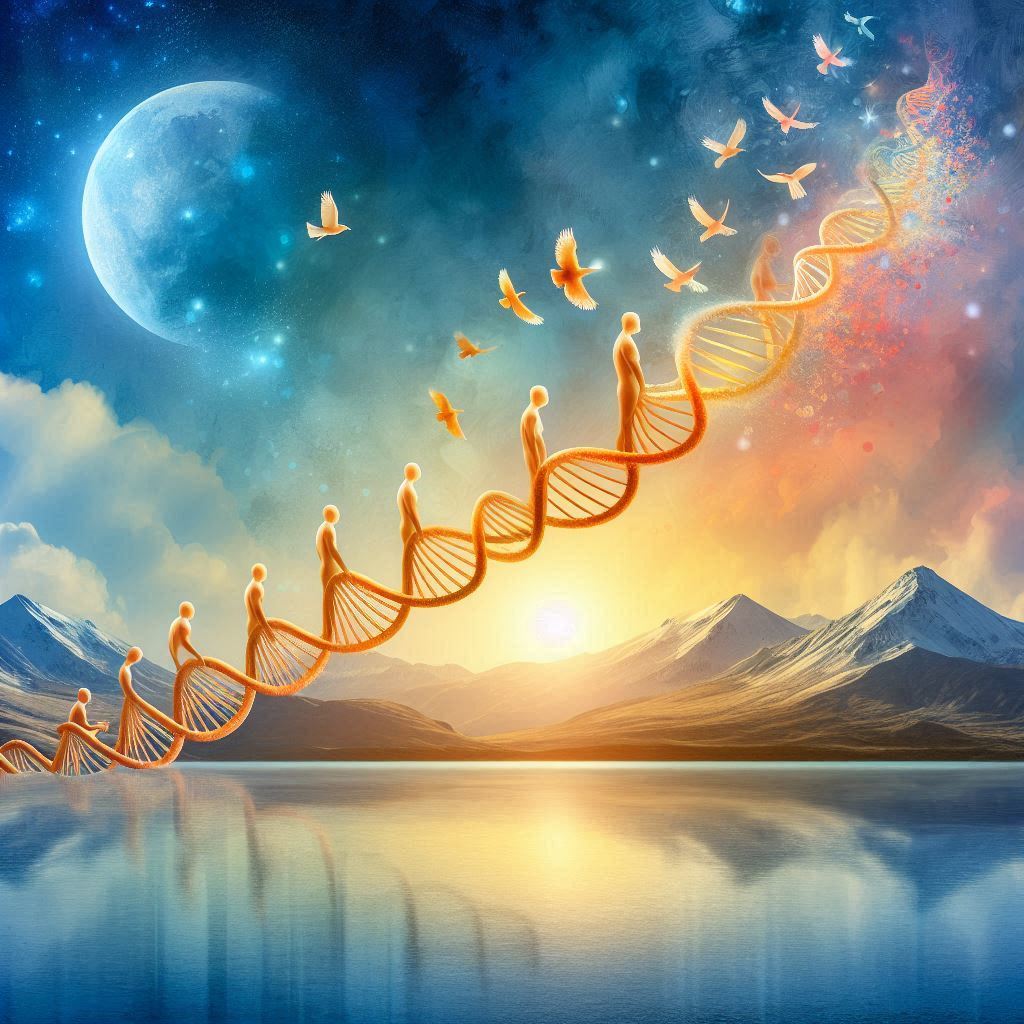
Moreover, DNA, an essential component responsible for carrying genetic instructions, is a fundamental aspect of life itself. However, the intense heat during cremation renders DNA completely destroyed, removing any possibility of using genetic material for future generations or scientific study. Unlike burial, where DNA may survive for extended periods, cremation leads to its irrevocable annihilation.
This transformation of the particles of the dead body not only enriches the soil but also serves as a fundamental cornerstone for biodiversity, shaping the environment and fostering future generations of life. In contrast, cremation interrupts this critical cycle, preventing the profound and enriching contributions that the deceased could make to the ecosystem.
While traditional burials have their environmental concerns—such as land use and embalming fluid seepage—cremation presents its own set of environmental impacts. The cremation process emits pollutants and greenhouse gases, including carbon dioxide and mercury vapor from dental fillings, contributing to atmospheric pollution and potential environmental harm.
Therefore, the decision to cremate or bury the deceased holds significant implications, not only for the present but also for the enduring vitality and sustainability of the natural world. It accentuates the delicate balance of life, underscoring the inextricable connection between the deceased and the enduring evolution of the countless species that rely on the transformation of their biological material. This decision ultimately influences the intricate tapestry of life, its sustenance, and its evolution, underscoring the broader implications beyond individual choice.
 El Mundo del Trading en los Mercados Financieros